Gold Market Outlook April 2026: Navigating Geopolitics, Fed Policy, and the New Portfolio Paradigm
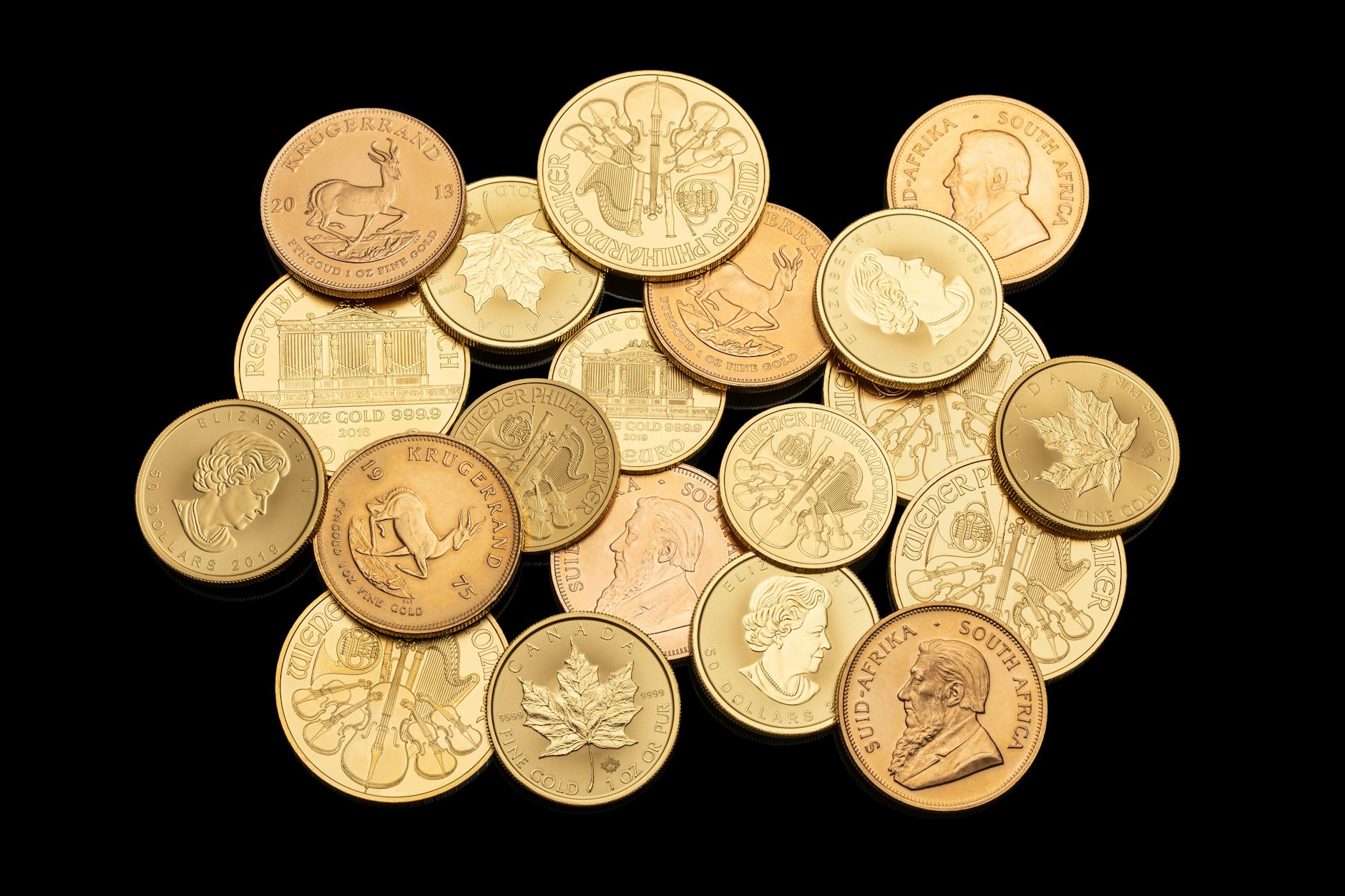
Gold markets are navigating one of the most complex environments in recent memory. As of April 10, 2026, XAUUSD trades near $4,700 per ounce — a level that would have seemed improbable just two years ago, yet one that now reflects a convergence of geopolitical tension, shifting monetary policy expectations, and structural demand changes that are reshaping the precious metals landscape.
For institutional and algorithmic traders, this environment demands a calibrated approach. The question is no longer whether gold belongs in a portfolio, but how to position within a market where $500 intraday swings have become routine and the traditional correlations between safe-haven assets, equities, and energy are breaking down simultaneously.
The Geopolitical Premium: Middle East Conflict and the Oil-Gold Nexus
The ongoing Iran conflict has injected a persistent geopolitical premium into gold prices. With Brent crude holding above $109 per barrel and WTI near $112, energy-driven inflation fears continue to underpin gold demand. The Strait of Hormuz — through which roughly 20.9 million barrels per day moved in the first half of 2025, representing approximately 20% of global petroleum liquids consumption — remains a critical chokepoint that markets are pricing as an ongoing risk factor.
Gold's response to the conflict has been instructive. After reaching $5,600 per ounce in January 2026, prices retreated as ceasefire talks gained momentum, only to stabilize in the $4,650–$4,850 range as sporadic fighting continued. This pattern reveals a market that has partially absorbed the geopolitical shock but remains sensitive to escalation risks. When both oil and gold rise in tandem, markets are typically signaling a dangerous combination of inflation risk, geopolitical fear, and economic uncertainty — precisely the conditions we observe today.
The relationship between oil prices and gold is more nuanced than simple correlation. Elevated energy costs feed through to headline inflation, which remains one of gold's strongest historical drivers. With oil sustained above $100, global inflation pressures persist, creating a structural floor under gold prices that goes beyond short-term sentiment.
Federal Reserve Policy: The Waiting Game
The Federal Reserve's March 18 decision to hold rates steady at 3.50%–3.75% reinforced a cautious stance that has significant implications for gold. The Summary of Economic Projections maintained a median forecast of just one rate cut for 2026, suggesting the Fed is in no hurry to ease further despite slowing labor market conditions.
The next FOMC decision on April 29 will be closely watched. Chair Powell has characterized the oil price shock as potentially temporary, but the market is increasingly skeptical. Core PCE inflation remains above the Fed's 2% target, and the combination of elevated energy costs with a decelerating labor market creates a stagflationary undertone that historically benefits gold.
For gold traders, the Fed's dilemma is straightforward: cut rates and risk reigniting inflation in an energy-shock environment, or hold rates and risk tipping the economy into recession. Either outcome has historically supported gold — rate cuts weaken the dollar and reduce the opportunity cost of holding non-yielding assets, while recession fears drive safe-haven demand. This asymmetric setup is one reason why major banks remain bullish: J.P. Morgan maintains a $6,300 year-end target, while Deutsche Bank stands by $6,000.
The Great Decoupling: Gold, Bitcoin, and Portfolio Construction
One of the most significant market developments of 2026 has been the divergence between gold and cryptocurrency performance. While gold surged approximately 64% through 2025 and maintained elevated levels into 2026, Bitcoin actually declined about 6.4% over the same period despite briefly setting new all-time highs. This divergence challenges the narrative that Bitcoin serves as "digital gold" and has practical implications for portfolio construction.
The data suggests these assets serve fundamentally different functions. Gold provides drawdown control, liquidity, and protection during macro risk spikes — precisely what institutional investors need in the current environment. Bitcoin and large-cap cryptocurrencies offer asymmetric upside potential but require tolerance for deep, fast drawdowns that can exceed 30% in weeks.
Financial advisors increasingly recommend holding both assets as complements rather than substitutes. The optimal allocation depends on risk tolerance and investment horizon, but the 2025-2026 performance differential has strengthened the case for gold as a core portfolio stabilizer. Central banks have doubled their annual gold purchases — a structural demand shift that provides a significant floor under prices regardless of short-term market sentiment.
Equity Markets: A Broadening Bull With Growing Uncertainty
The broader equity context matters for gold positioning. The S&P 500 rose 1.7% last week, finding support at September lows after a period of selling pressure. Goldman Sachs maintains a 7,600 target for the S&P 500 in 2026, representing roughly 9% upside, but acknowledges that returns will be lower than in 2025 as the bull market broadens beyond technology.
The AI supercycle continues to dominate equity narratives, with record capital expenditure and rapid earnings growth spreading beyond pure tech into banks, healthcare, logistics, and utilities. However, lofty AI valuations require continued strong growth to be justified, and the base-case forecast for AI growth over the next five years falls below many market prognosticators' assumptions.
This equity market backdrop creates an interesting dynamic for gold. A broadening bull market with multiple bouts of expected volatility suggests investors will periodically rotate into safe havens. Structural trends in power demand, infrastructure, and clean energy provide equity tailwinds, but geopolitical risks and elevated energy prices introduce headwinds that gold tends to capitalize on. The key insight is that gold can perform well even in a generally positive equity environment when uncertainty about the path forward remains elevated.
Technical Outlook: Key Levels and Trading Ranges
From a technical perspective, gold in April 2026 is consolidating within a broad $4,252–$5,358 range based on monthly forecasts. The current trading zone around $4,700 represents a critical inflection point. Support at $4,500 has been tested multiple times, while resistance near $4,850 has capped recent rallies tied to ceasefire breakdowns.
The longer-term bullish case remains structurally intact. However, as several analysts note, the tailwinds that powered gold through 2025 may not blow as strongly in the second half of 2026. Central bank demand, the direction of global yields, and the actual pace of monetary easing will matter more than ever. With some geopolitical risks showing signs of stabilizing and real yields remaining elevated, gold may need fresh catalysts to extend meaningfully above the January highs.
For algorithmic trading systems, this environment presents both challenges and opportunities. The increased volatility — with gold's average true range expanding significantly compared to 2024 levels — creates wider profit opportunities but also demands more sophisticated risk management. Systems that can adapt to rapidly changing correlation regimes and identify regime shifts in real time hold a distinct advantage.
How PMTS Navigates This Market Environment
The PMTS algorithmic trading system has been specifically designed for the kind of complex, multi-factor market environment that characterizes gold trading in 2026. The system's performance data illustrates the value of disciplined, AI-driven execution in volatile conditions.
Over the past week (April 3–10), PMTS executed 103 trades with a 64.08% win rate, generating $82,852.76 in total profit across managed accounts. The monthly figures (March 11–April 10) show 1,254 trades with a 67.46% win rate and $581,943.09 in total profit. These results demonstrate consistent execution across different market conditions, including the volatile periods surrounding ceasefire negotiations and Fed communications.
The system's risk management metrics are particularly noteworthy in the current environment. The primary account maintains a maximum drawdown of just 0.099% ($149.48) with a Sharpe ratio of 19.83 — reflecting the algorithm's ability to capture asymmetric opportunities while maintaining strict downside controls. With an average win of $97.46 versus an average loss of $45.97 and a profit factor of 13.14, the system maintains a favorable risk-reward profile even during periods of elevated market uncertainty.
XAUUSD remains the system's primary and most profitable trading instrument, which aligns with the structural opportunity set in gold markets. The algorithm's ability to operate across multiple brokers — including MetaQuotes, FTMO, DarwinexZero, and MultiBank Group — with leverages ranging from 100:1 to 200:1 provides the flexibility to optimize execution across different liquidity conditions.
Looking Ahead: Catalysts and Risks
Several catalysts could reshape the gold outlook in the coming weeks. The April 29 FOMC decision stands as the most immediate scheduled event, with any surprise in the dot plot or forward guidance potentially triggering a significant repricing. The trajectory of Middle East ceasefire negotiations remains the primary unscheduled risk, with each escalation or de-escalation capable of moving gold $100 or more in a single session.
The interplay between oil prices and inflation expectations deserves particular attention. If crude prices decline materially on successful diplomacy, the removal of the energy-inflation premium could temporarily pressure gold. Conversely, any disruption to Hormuz shipping lanes would likely send both oil and gold sharply higher, potentially retesting the January $5,600 high.
For investors and traders, the key takeaway is that gold's elevated trading range reflects genuine uncertainty rather than speculative excess. The fundamental drivers — geopolitical risk, central bank demand, monetary policy uncertainty, and inflation persistence — are structural rather than transitory. This makes gold a market that rewards patience, discipline, and the kind of systematic approach that removes emotional bias from execution decisions.
Past performance does not guarantee future results. Trading involves substantial risk of loss. The information presented in this article is for educational and informational purposes only and should not be construed as investment advice. Always conduct your own research and consult with qualified financial professionals before making investment decisions.
Ready to start trading with AI?
Join hundreds of traders using PMTS algorithmic trading technology
Get Started